Making the decision to learn drums has proved a gateway into the wider world of recording, as well as playing. Right from the beginning, in March of last year, my dual focus has been on learning to play — but also learning how to record drums. They seem to be the most elusive instrument to capture repeatably, possibly because drums are the sound of a space even more so than the tones of the cymbals, heads and shells.
I tend to love the sound of Jazz recordings from the late ’50’s through the 1960’s because they are so organic. Whole kit in an acoustic environment. Vibrations in situ. The opposite of close mic on every drum head and slicing it into a series of discrete samples, which has been the evolution since the mid-70’s or so.
These two recordings are best to date. Studio treatment to tame reflections plus isolating the strings is why you are hearing an audible improvement from the funk jams with Chris Buono and Lawrence Haber.
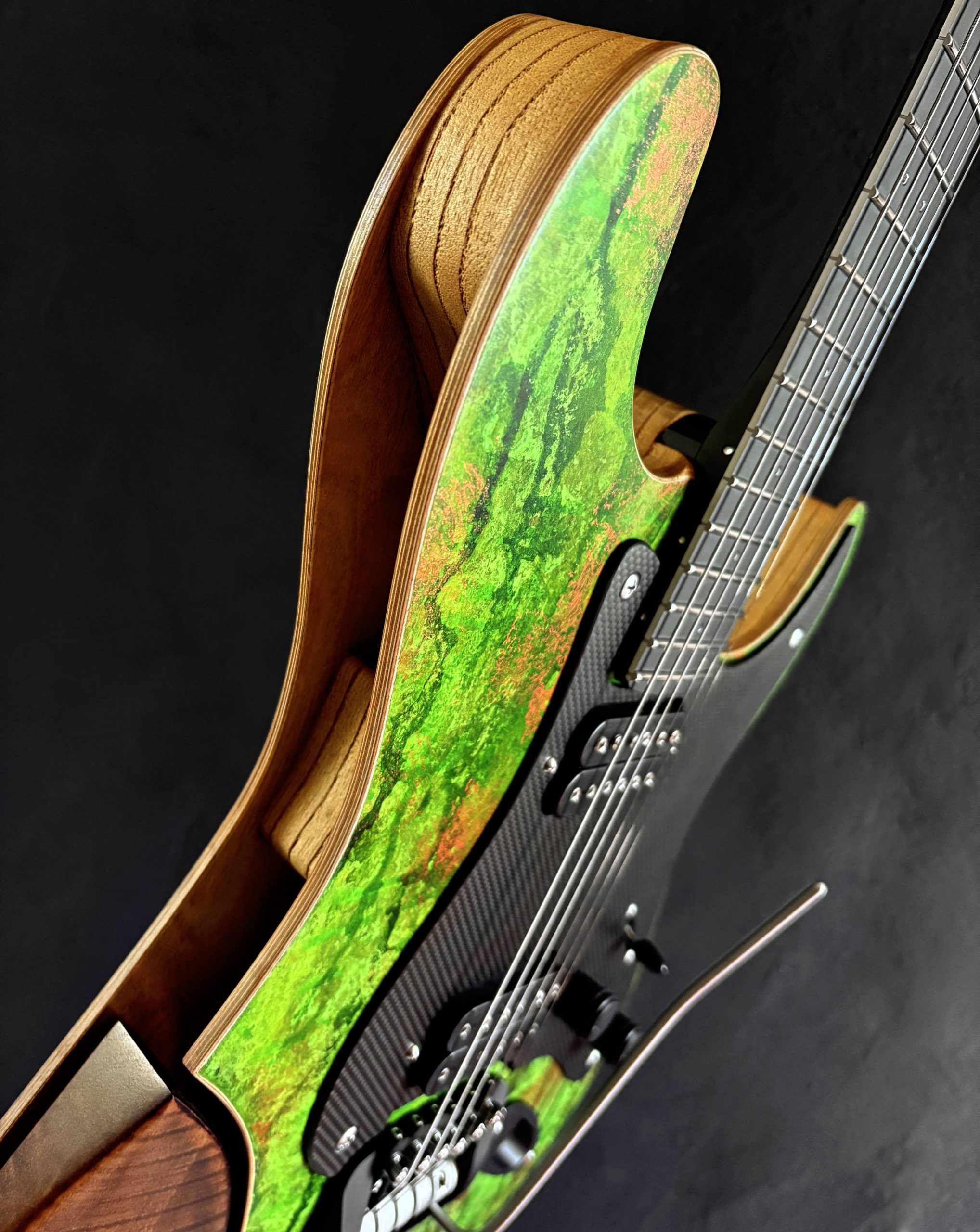
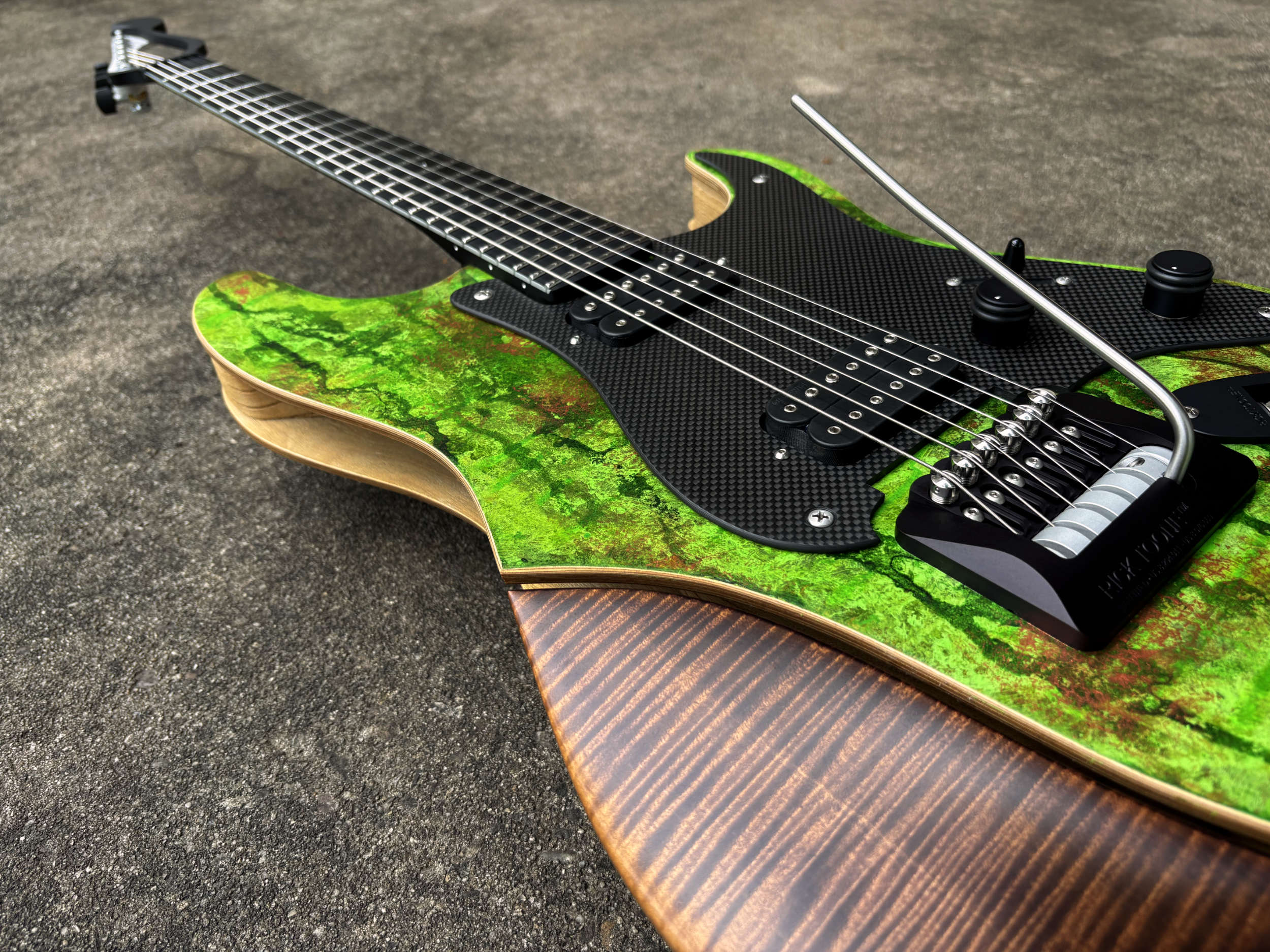
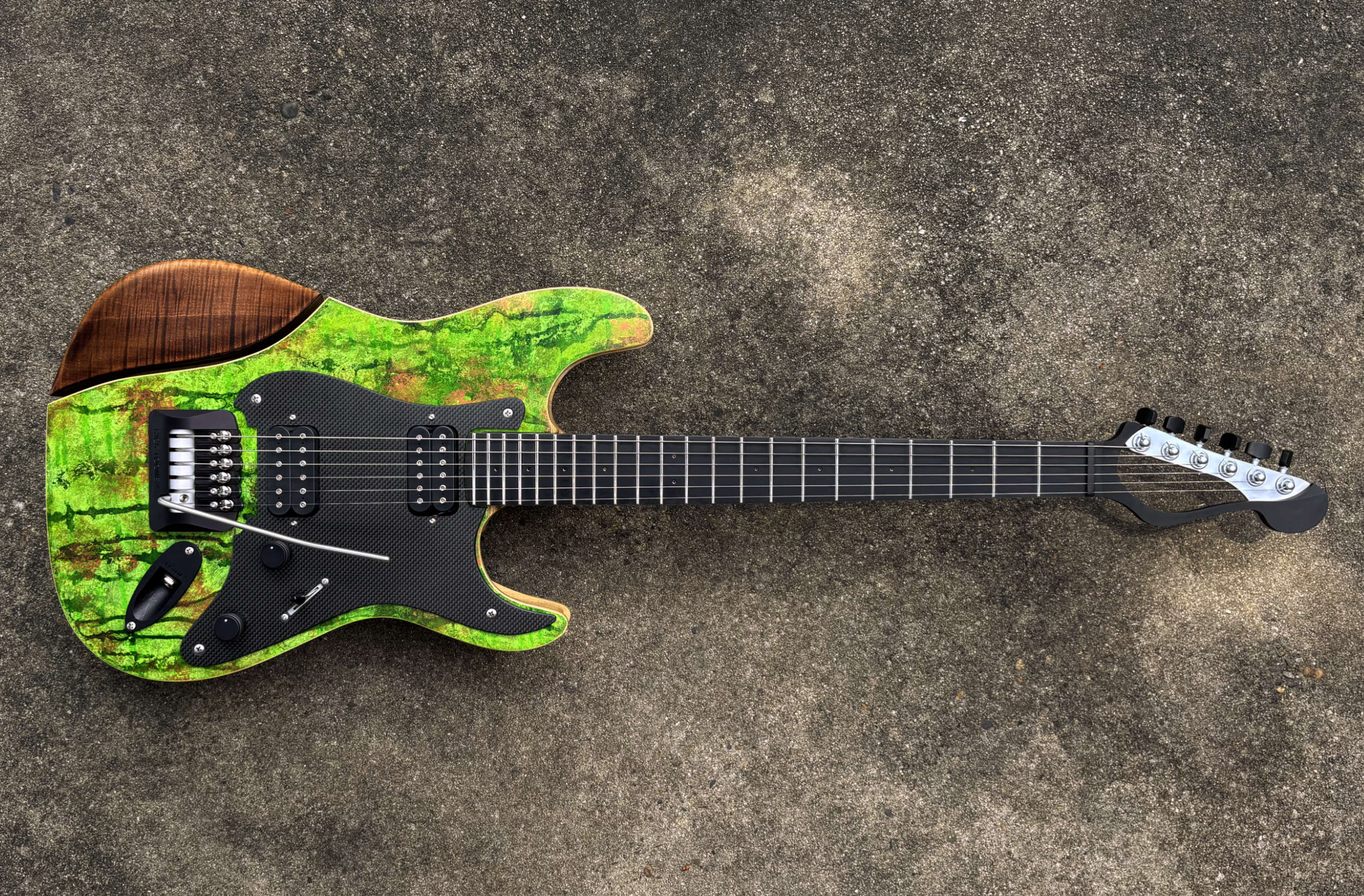
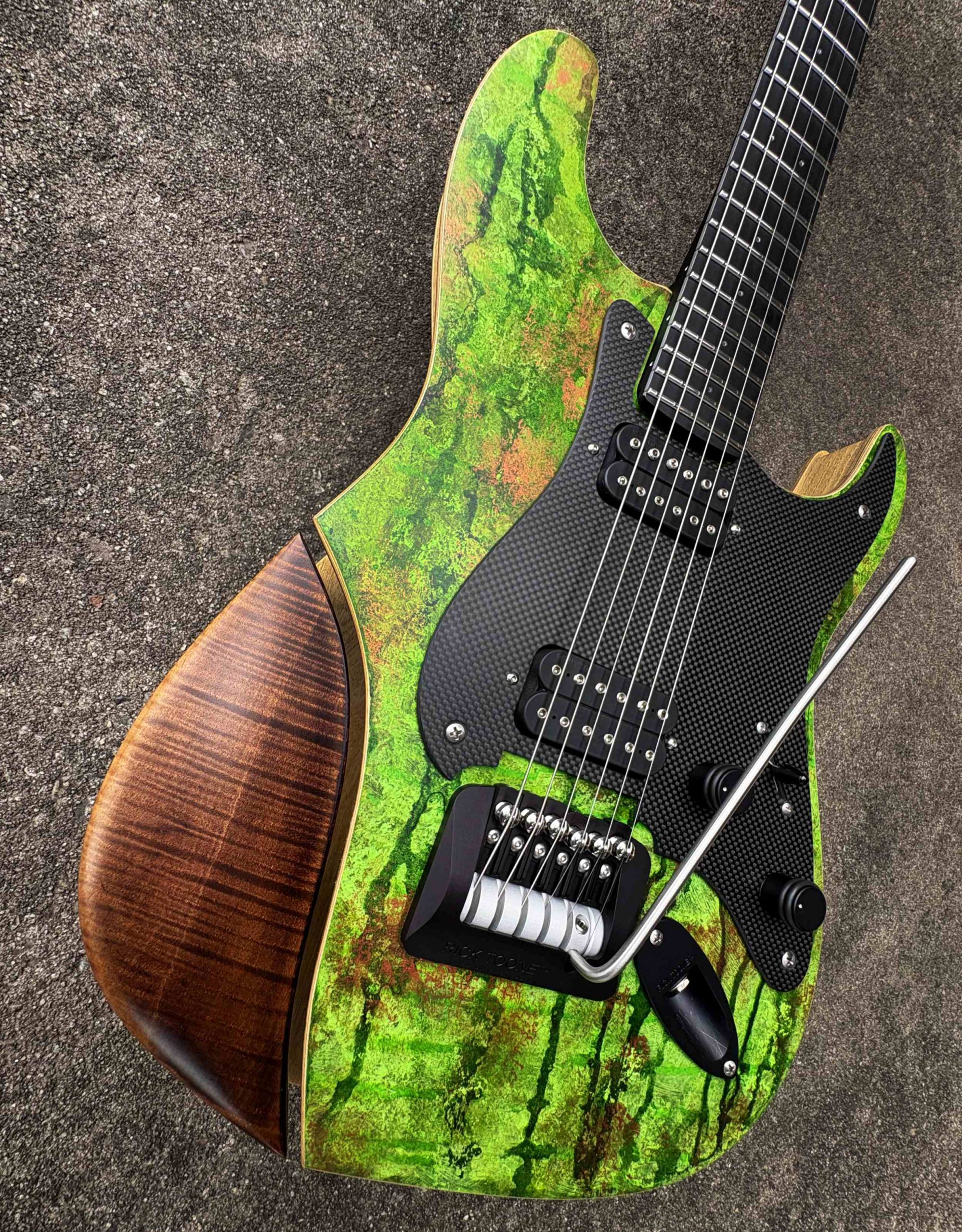
Of course all of this is in service to designing and building better stringed instruments.
Because guitars and basses are components in an ensemble, so understanding how those frequencies interact is the underlying engineering objective. Every instrument is competing for space in the audio spectrum. And our human ears are most sensitive and discerning centered around the frequencies of speech. Optimizing those few frequency cycles — on constricted bandwidth consumer speakers — is the entire game.
Speaking of play…
Such a joy to play with Killick.
Our framework going into these sessions was spontaneous thru-composed improvisation. Create, listen, react, adjust, in real time. Also, we specifically wanted to explore flexible time — meaning feel a pulse, a breath, and deliberately avoid groove-centered metronomic feel.
Essentally, be human.